Understanding the Importance of Regular Watch Maintenance
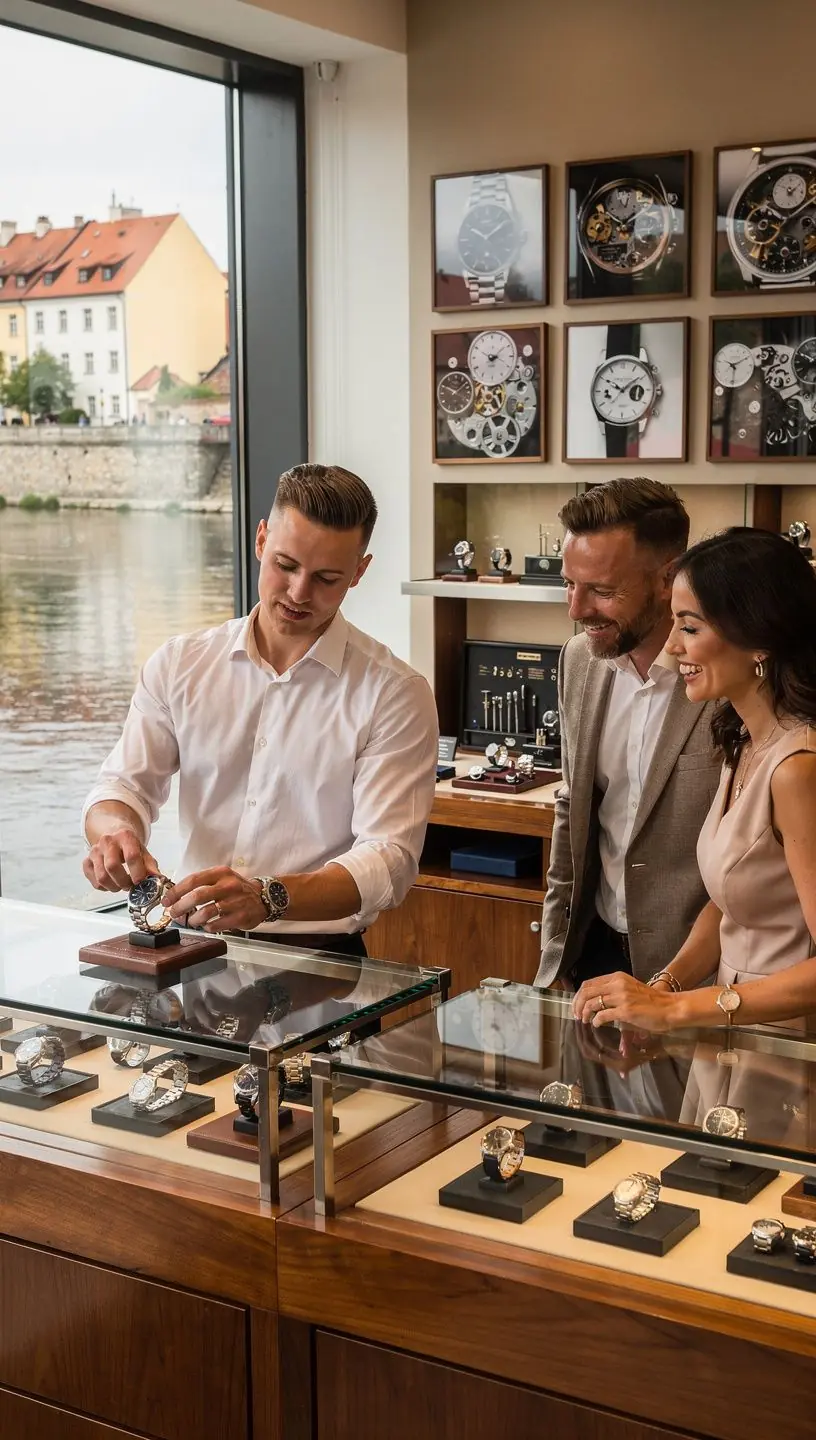
Owning a premium watch is not just about aesthetics; it's an investment in craftsmanship, precision, and timekeeping. Regular maintenance is crucial to ensure that your watch operates optimally and retains its value over time.
Understanding the Basics
Regular watch maintenance involves a series of services aimed at preserving your timepiece's functionality and appearance. According to industry experts, most high-end watches should undergo maintenance every 3 to 5 years, depending on their use and exposure to different environments. This is essential for several reasons:
- Longevity: Regular servicing can significantly extend the lifespan of your watch, ensuring it remains a reliable companion for years to come.
- Performance: Over time, lubricants can break down, and parts may wear out, affecting the watch's precision. Maintenance helps address these issues before they escalate.
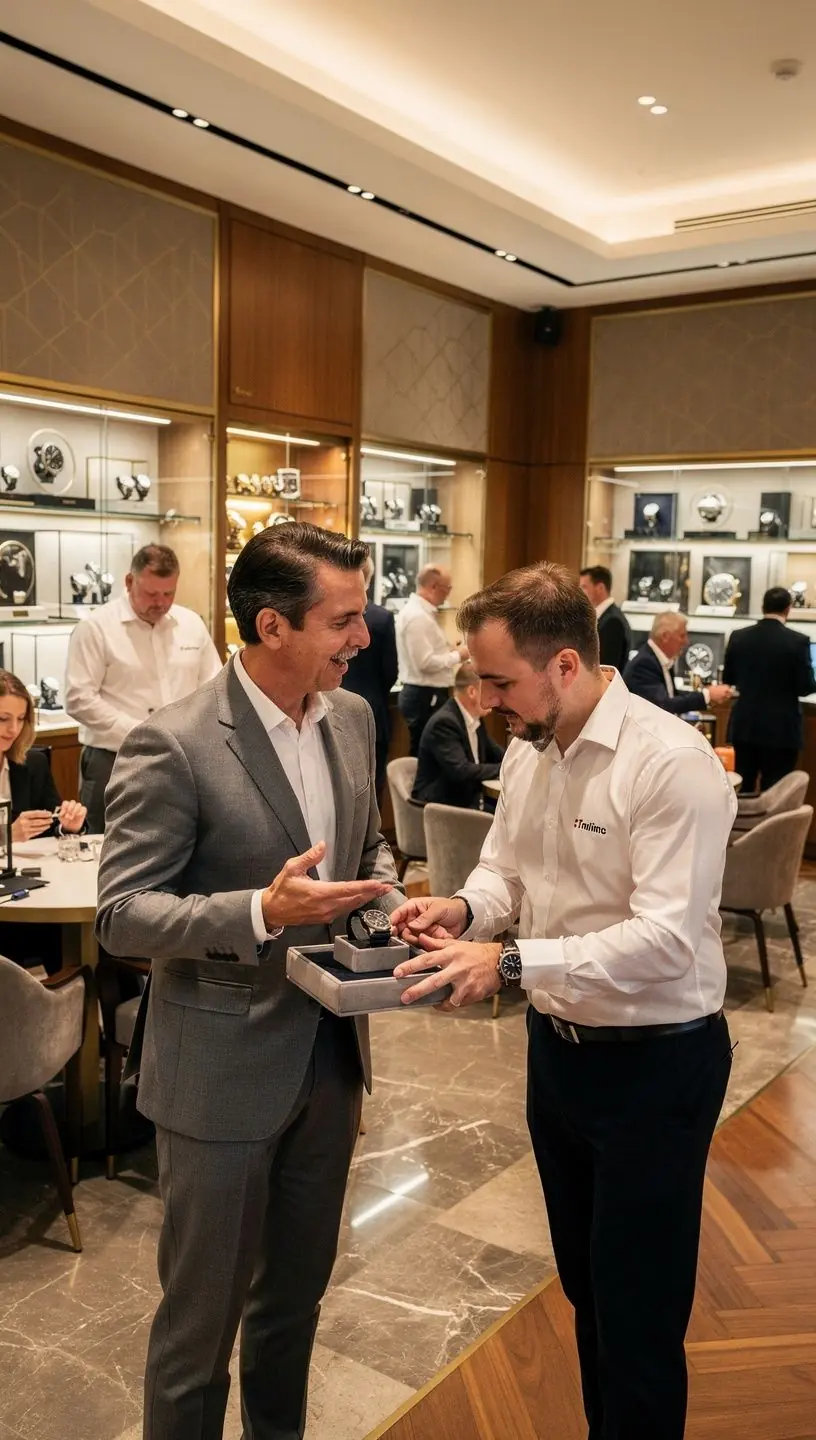
- Value Retention: A well-maintained watch is more attractive to potential buyers and can retain its value much better than one that has been neglected.
"Regular maintenance not only enhances a watch's performance but also assures potential buyers of its quality." - Horology Expert
What Does Regular Maintenance Involve?
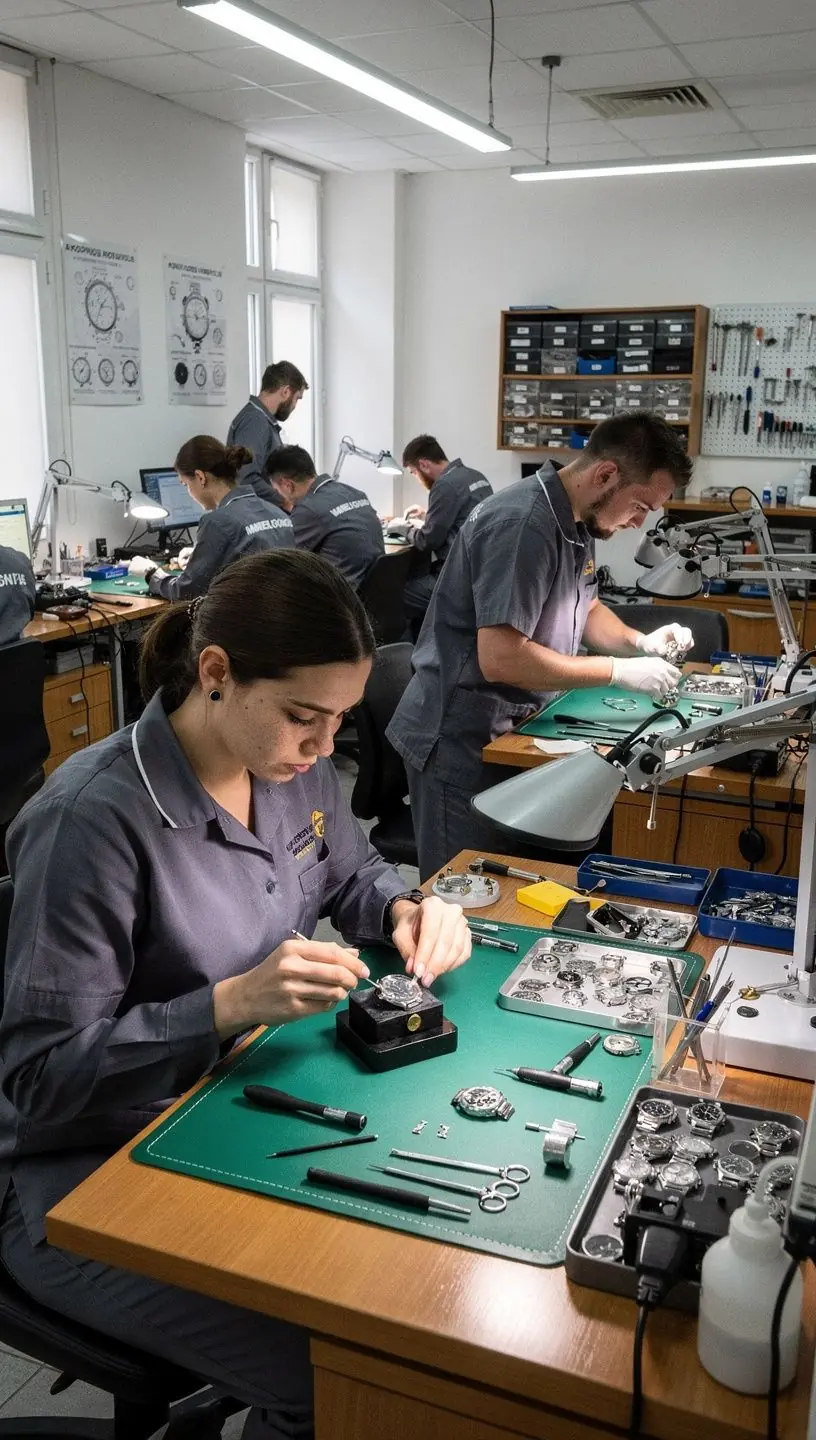
Typically, a maintenance service includes inspection, cleaning, and lubrication of the watch's movement. Here’s a brief overview of what to expect during a maintenance service:
1. Inspection
The watchmaker will inspect the watch for any signs of wear or damage, which is crucial as it identifies potential issues early on. Industry standards suggest this step is essential to prevent more significant repairs later.
2. Cleaning
Cleaning involves disassembling the watch and thoroughly cleaning each component. Studies show that dirt and debris can accumulate within the watch's movement, leading to decreased accuracy. A clean watch not only looks better but also operates efficiently.
3. Lubrication
Proper lubrication of moving parts is vital. When lubricants break down, they can cause friction and wear, leading to more expensive repairs. Experts recommend using high-quality lubricants suitable for your specific watch to ensure longevity.
Practical Application
To maintain your watch effectively, consider the following:
- Schedule Regular Check-ups: Set reminders for maintenance appointments every 3-5 years, depending on usage.
- Store Properly: Keep your watch in a dry, temperature-controlled environment to protect it from the elements.
- Know Your Watch: Familiarize yourself with the specific maintenance needs of your watch model, as some may have unique requirements.
Conclusion
In summary, regular watch maintenance is a valuable practice that can enhance the performance and longevity of your timepiece. By investing in periodic servicing, you can enjoy both the aesthetic and functional qualities of your watch while safeguarding your investment. Remember, a well-maintained watch is not just a timekeeper; it's a legacy piece that can be cherished for generations.