
The Role of Precision Tuning in Watch Performance
Precision tuning is a critical aspect of maintaining the performance and longevity of luxury timepieces. It involves making microscopic adjustments to a watch's internal mechanisms to ensure accurate timekeeping. This article explores the importance of precision tuning, the methods involved, and how it can enhance your watch's performance.
Understanding the Basics of Precision Tuning
Precision tuning typically focuses on the regulation of a watch’s movement. According to industry standards, a well-tuned watch can achieve an accuracy of within a few seconds per day. This is essential for enthusiasts who value both the functionality and craftsmanship of their timepieces. Experts in horology recommend regular tuning to address common issues such as deviations in timekeeping.
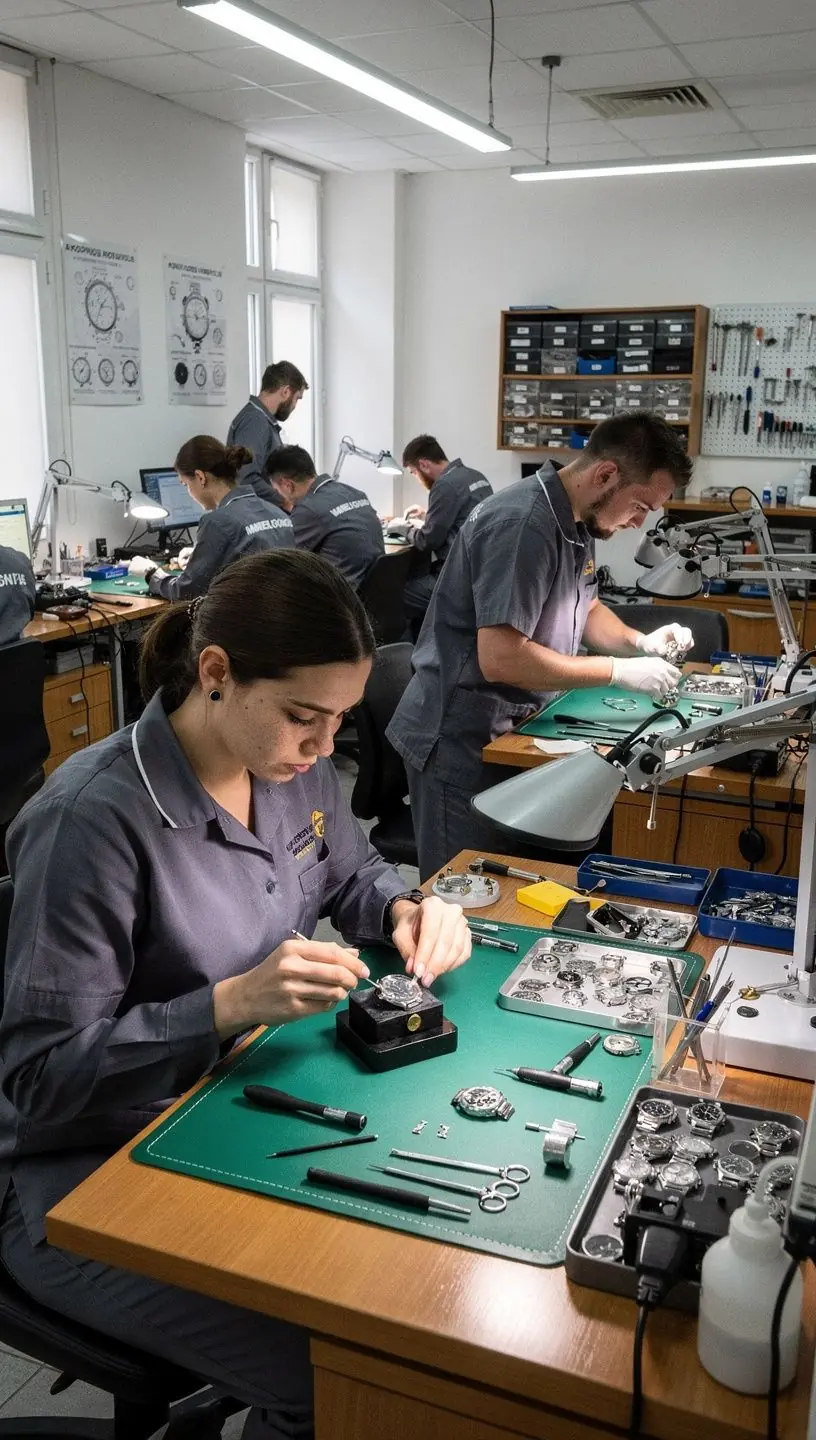
"Regular maintenance and precision tuning are vital for ensuring a watch not only keeps time accurately but also retains its value over the years."
Why Precision Tuning Matters
Precision tuning is important for several reasons:
- Accuracy: Studies show that watches with regular precision tuning can improve their timekeeping performance significantly. Many users report a noticeable difference in daily time accuracy.
- Longevity: A well-maintained and tuned watch is less likely to experience significant wear and tear, which can extend its lifespan. This is especially relevant for mechanical watches, which require careful upkeep.
- Value Preservation: For collectors, maintaining a watch in prime condition often helps retain its market value. Industry experts suggest that watches with documented maintenance history, including precision tuning, tend to fetch higher prices.
The Process of Precision Tuning
The methodology behind precision tuning involves several steps:
- Disassembly: The watch is carefully disassembled to access the movement. This process requires great skill to avoid damaging delicate components.
- Inspection: Each part is inspected for signs of wear, dirt, or lubrication issues. A thorough cleaning is often performed at this stage.
- Adjustment: Specific components, such as the balance wheel and escapement, are adjusted. This is done using specialized tools to ensure minute changes can be made accurately.
- Reassembly and Testing: After tuning, the watch is reassembled and undergoes rigorous testing to confirm that it meets the desired accuracy standards.
In most cases, the entire process takes between 2-4 weeks. This timeframe allows for thorough inspections and adjustments, ensuring quality results.
Setting Realistic Expectations
While precision tuning can greatly improve a watch's performance, it's important to acknowledge its limitations. This service typically works best when combined with regular maintenance, such as cleaning and polishing. Furthermore, the effectiveness of tuning may vary based on the watch's condition and the quality of its components.
It’s crucial to remember that precision tuning is not a one-time solution. Ongoing care, including periodic checks every few years, is recommended to maintain optimal performance.
Conclusion
Precision tuning is an effective approach for ensuring that your watch performs at its best. By understanding the methodology and importance of this service, watch owners can make informed decisions about maintaining their timepieces. Investing in regular precision tuning can enhance accuracy, prolong the lifespan of the watch, and preserve its value. While it requires time and commitment, the benefits it brings to your luxury watch are well worth the effort.
Read On