Exploring Different Types of Watch Movements
Understanding the various types of watch movements is essential for both enthusiasts and casual wearers. This article delves into the intricacies of mechanical, automatic, and quartz movements, helping you make informed decisions about your timepiece.
Understanding Watch Movements
Watch movements, or calibers, represent the mechanism that powers a watch. Typically, there are three primary types of movements: mechanical, automatic, and quartz. Each type has its unique characteristics and benefits, which cater to different preferences and lifestyles.

Mechanical Movements
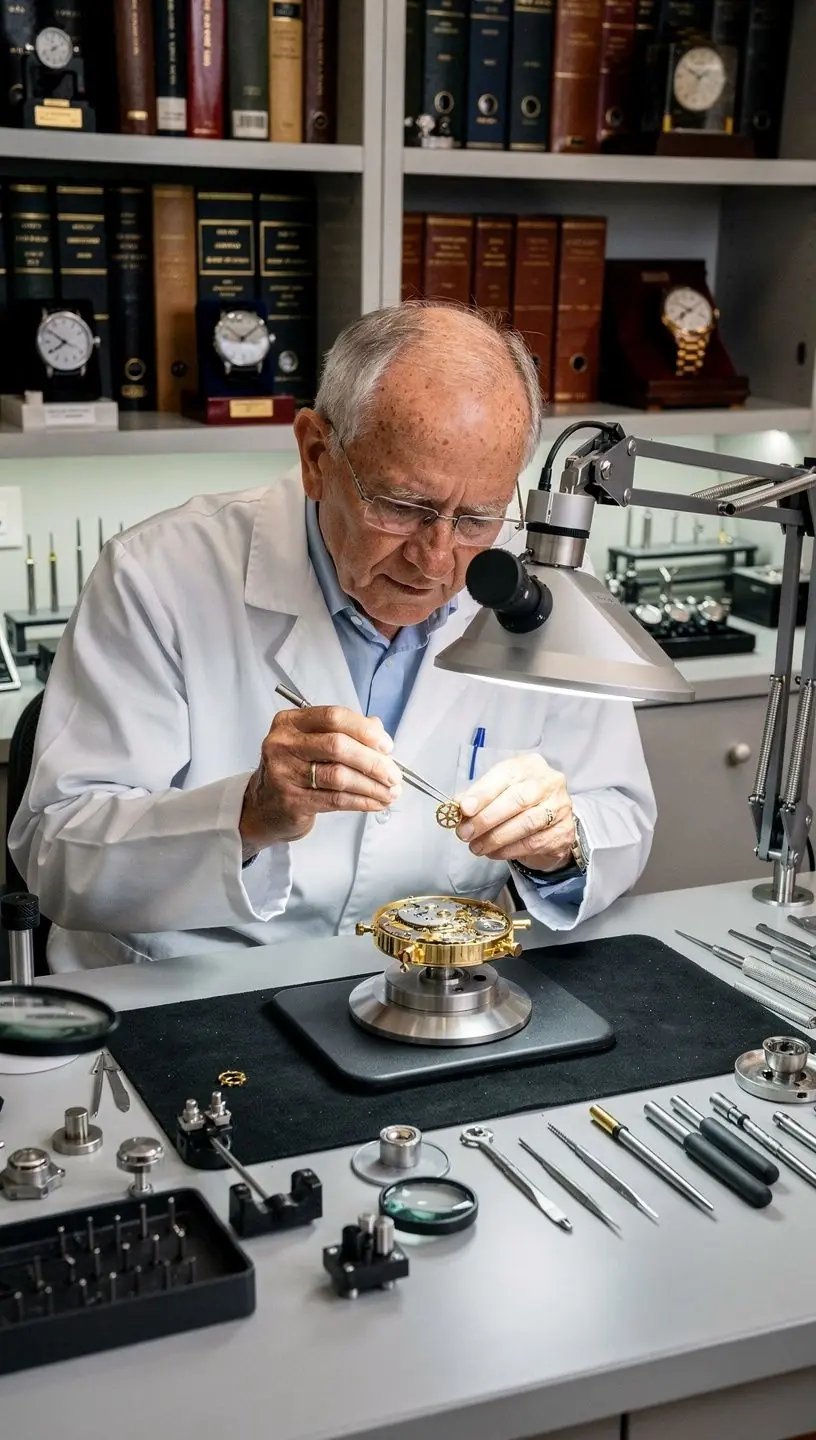
Mechanical movements rely on intricate gears and springs. According to industry experts, these watches are often favored for their craftsmanship and traditional appeal. Mechanical watches require manual winding, which can involve a daily commitment, typically taking just a few seconds.
The principle behind mechanical movements is straightforward: when wound, the mainspring stores energy, which is released gradually to power the gears and move the hands. Research indicates that enthusiasts appreciate these watches for their artistry and heritage.
Automatic Movements
Automatic movements, also known as self-winding watches, build on the principles of mechanical movements but add a rotor that winds the mainspring through the wearer’s motion. This technology allows for a more convenient user experience, as many users report that their watches remain powered as long as they wear them regularly.
Experts recommend automatic watches for individuals who appreciate the blend of tradition and modern convenience. However, they still require periodic servicing, typically every 3-5 years, to maintain their precision and functionality.
Quartz Movements
Quartz movements are powered by a battery and are known for their accuracy and low maintenance. According to research conducted by the Swiss Watch Industry, quartz watches are often more reliable than their mechanical counterparts, making them a popular choice for everyday wear.
While quartz movements offer impressive precision, they may lack the intricate craftsmanship that enthusiasts admire in mechanical watches. However, they are ideal for those seeking convenience without the need for winding or regular servicing.
"Quartz watches have revolutionized the industry, providing reliable timekeeping with minimal effort." - Industry Expert
Choosing the Right Movement
Selecting the right watch movement depends largely on individual needs and preferences. Here are some factors to consider:
- Maintenance: Mechanical and automatic movements typically require regular servicing every few years, while quartz watches are often low maintenance.
- Precision: Quartz movements generally offer greater accuracy, making them suitable for those who prioritize timekeeping.
- Appreciation for Craftsmanship: If you value the artistry and tradition of watchmaking, a mechanical or automatic watch may be more appealing.
Conclusion
In summary, understanding different watch movements can significantly enhance your appreciation of horology. While quartz watches are ideal for their accuracy and ease of use, mechanical and automatic movements offer charm and tradition. When choosing a watch, consider your lifestyle and preferences, as this will guide you in selecting a timepiece that meets your needs effectively.
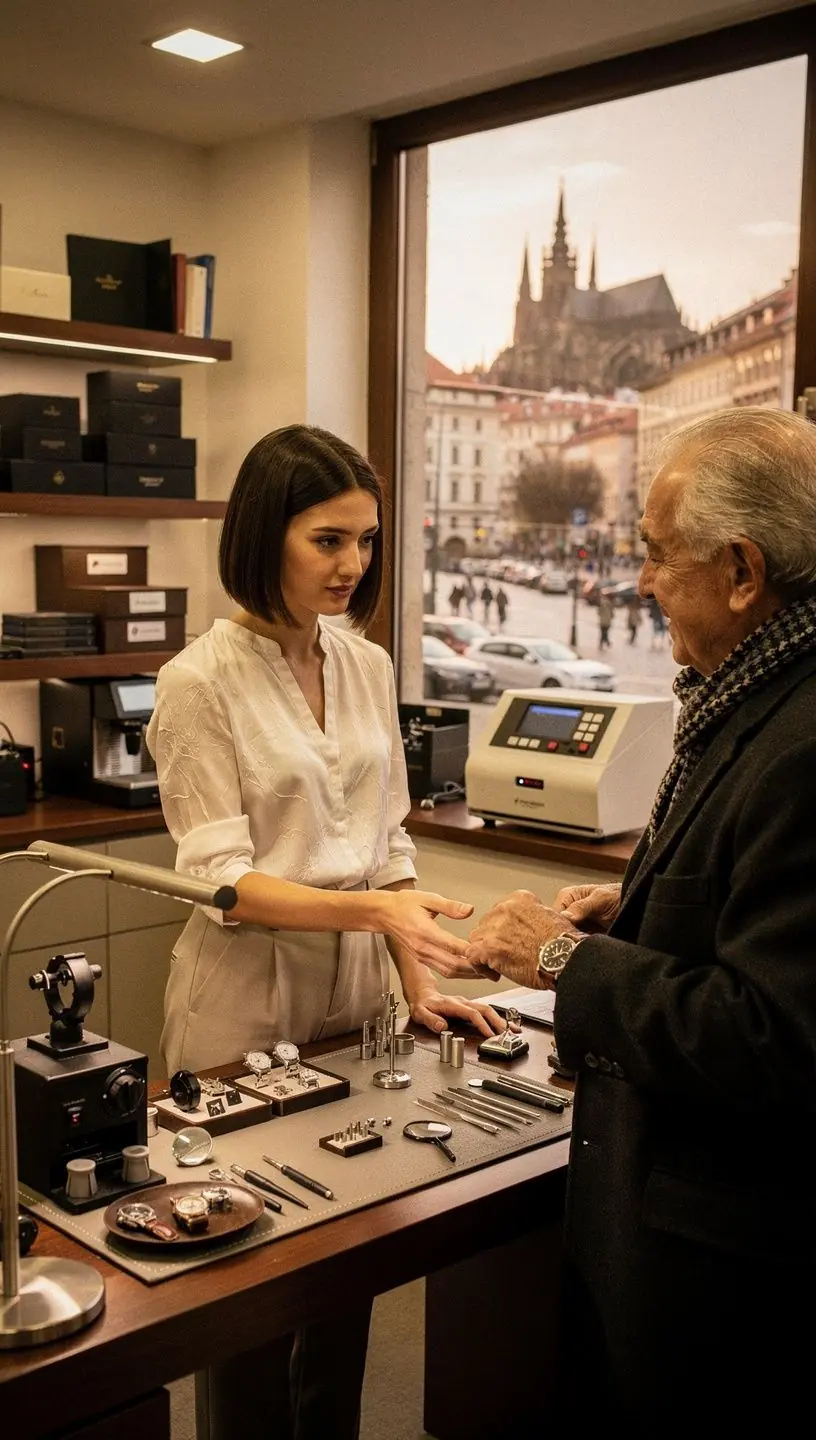
Whether you opt for a quartz, mechanical, or automatic watch, regular maintenance and servicing are crucial for longevity, and our premium watch service center is here to help with all your maintenance needs, including polishing and precision tuning.
Read On