
Understanding the Anatomy of Automatic Watches
Automatic watches are a marvel of engineering, combining craftsmanship with intricate mechanics. In this article, we will explore the essential components of automatic watches, how they work, and why regular maintenance is crucial for their longevity.
Understanding the Basics
Automatic watches, also known as self-winding watches, are powered by the natural motion of the wearer's wrist. They typically feature a rotor that winds the mainspring as the wearer moves, thus eliminating the need for manual winding. According to research by the Horological Institute, approximately 80% of watch enthusiasts prefer automatic movements for their reliability and craftsmanship.
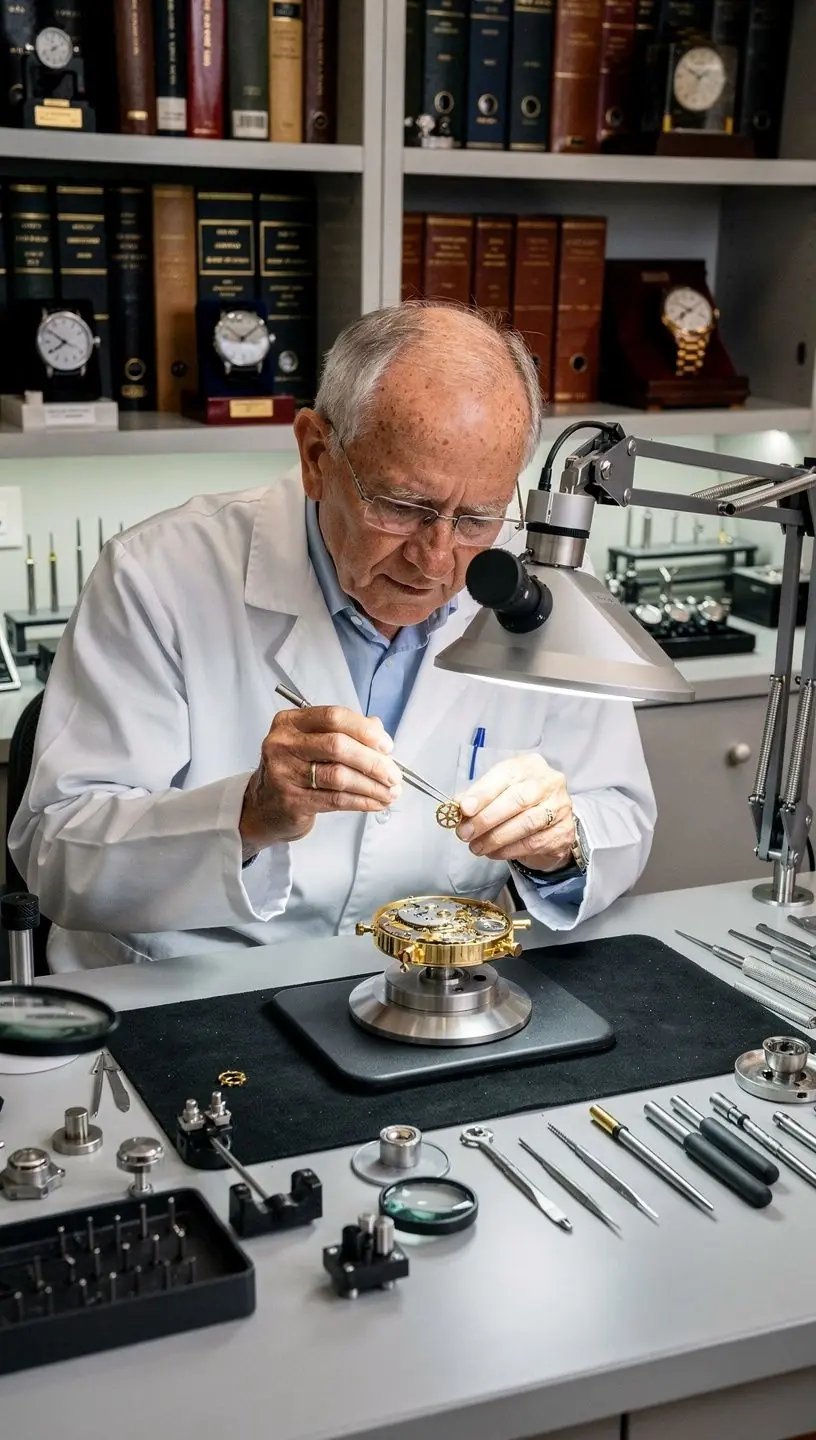
"The true beauty of automatic watches lies not just in their design, but in the complexity of their mechanics." - Watchmaker's Journal
The Key Components of Automatic Watches
Understanding the anatomy of an automatic watch requires familiarity with its key components:
- The Movement: This is the heart of the watch, responsible for keeping accurate time. Most automatic movements include intricate gears and springs, such as the Swiss ETA or Seiko movements.
- The Rotor: A semi-circular weight that swings with the motion of the wrist. It transfers energy to wind the mainspring, which powers the watch.
- The Mainspring: A coiled spring that stores energy. As it unwinds, it drives the gear train, which moves the watch hands.
- The Escapement: This mechanism regulates the release of energy from the mainspring to keep time accurately.
How Automatic Watches Work
The functionality of automatic watches is based on several mechanical principles:
- Energy Transfer: As the rotor spins, it winds the mainspring, storing potential energy.
- Time Regulation: The escapement ensures that energy is released at a consistent rate, allowing the gears to move the hands accurately.
- Self-Winding Mechanism: This process allows the watch to maintain power as long as it is worn regularly. However, if an automatic watch is not worn for an extended period, it will stop, requiring manual winding or movement to restart.
The Importance of Regular Maintenance
To ensure the longevity and accuracy of an automatic watch, regular maintenance is recommended. Experts in the field suggest that a comprehensive service every 3-5 years can help prevent issues caused by wear and tear. This maintenance typically includes:
- Cleaning the movement to remove dust and debris.
- Oiling the moving parts to reduce friction.
- Inspecting seals to ensure water resistance.
Neglecting maintenance can lead to performance issues and costly repairs. Therefore, it is important for owners to understand that proper care can significantly extend the life of their timepiece.
Conclusion
In conclusion, understanding the anatomy and mechanics of automatic watches can enhance the appreciation of these intricate devices. With regular maintenance, these watches can provide reliable service and retain their value over time. As with any quality product, investing time and effort into care can yield significant returns in durability and performance.
Read On