The Evolution of Watch Repair Techniques
In the world of horology, the techniques for repairing and maintaining watches have undergone significant transformations. Understanding these changes not only highlights the craftsmanship involved but also indicates how modern advancements can lead to better service for your prized timepieces.
Understanding the Basics of Watch Repair
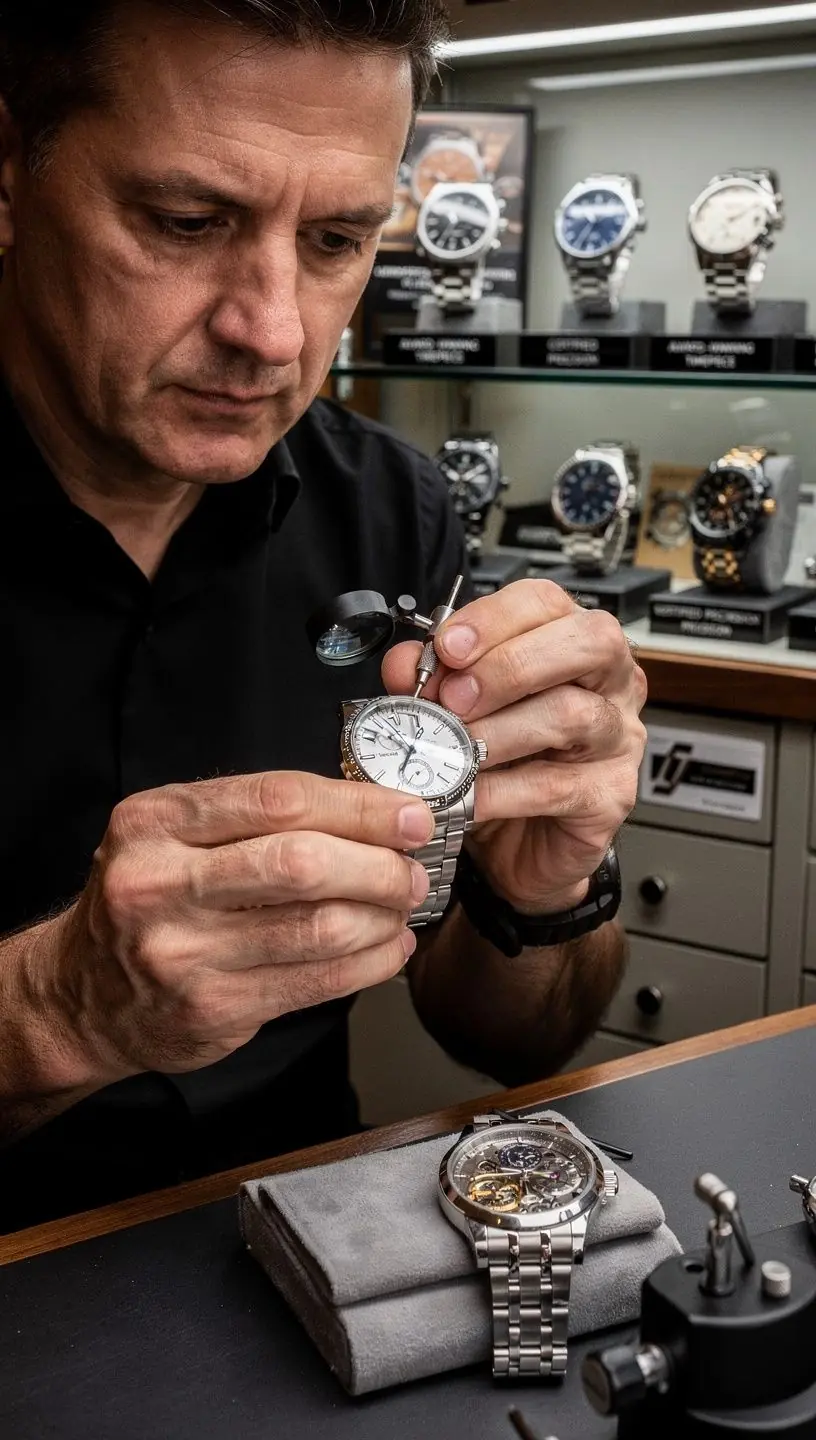
Historically, watch repair relied heavily on manual skill, with artisans applying their expertise to fix timepieces. According to industry experts, traditional methods involved the use of simple tools and techniques that were passed down through generations. However, as watch technology evolved, so too did the methods of repair.
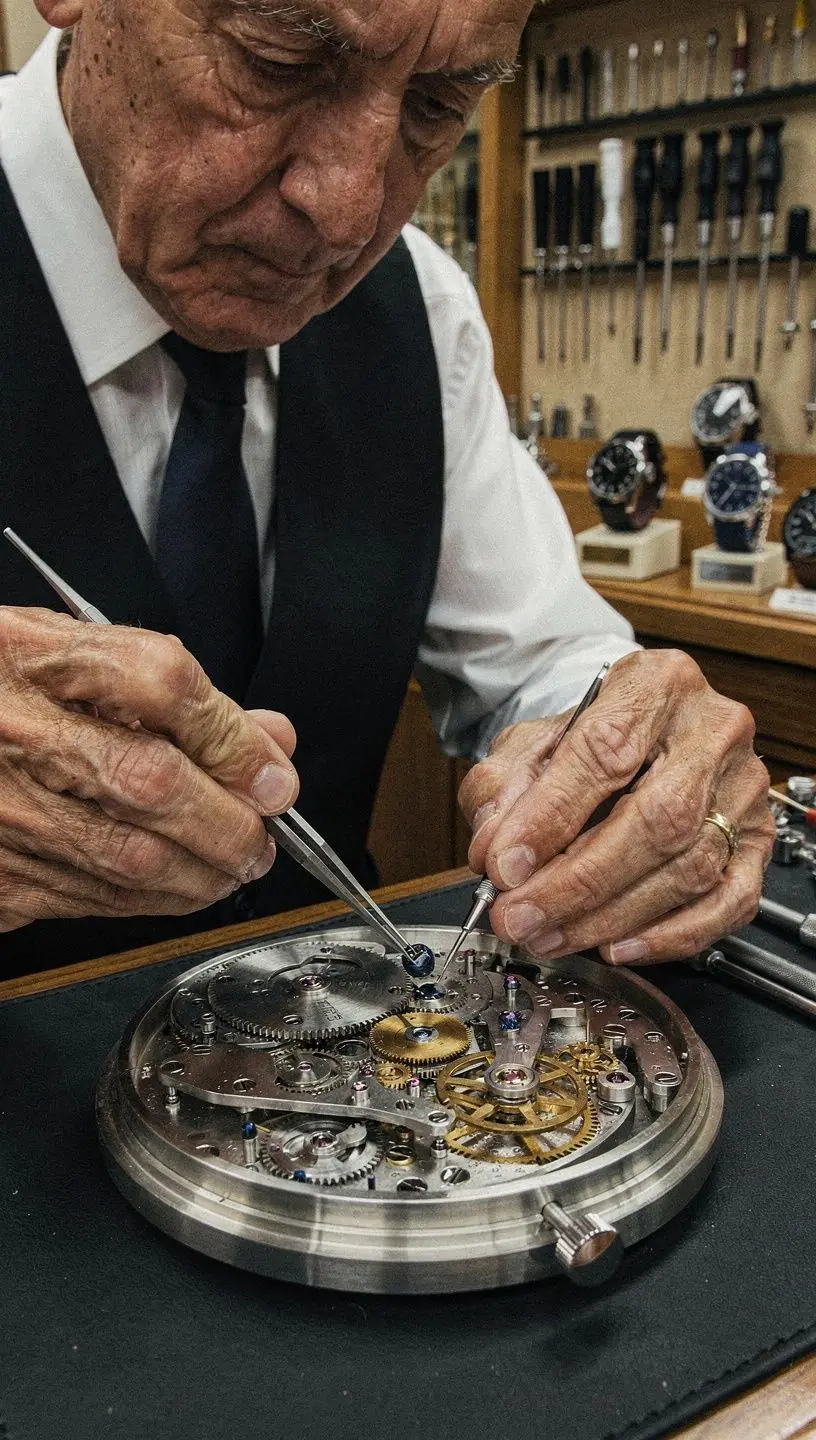
"The craftsmanship in watch repair is as vital today as it was centuries ago, but the tools and methods have significantly advanced."
The Impact of Technology on Repair Techniques
With the rise of quartz movements in the late 20th century, the watch repair landscape changed dramatically. Research indicates that quartz watches require different maintenance approaches compared to their mechanical counterparts. This shift has led to:
- Enhanced Diagnostic Tools: Technicians now use electronic devices to diagnose problems quickly and accurately.
- Automated Repair Processes: Some aspects of watch repair, such as polishing and regulation, can now be done using automated machinery, which improves precision.
- Training and Certification: As repair methods evolve, so do the educational requirements for watchmakers, with many now attending specialized programs to learn modern techniques.
Modern Practices in Watch Maintenance
Today, maintenance practices often include a combination of traditional craftsmanship and modern technology. For instance, experts recommend regular servicing to keep intricate movements in optimal condition. This typically involves:
- Disassembly: The watch is carefully taken apart to inspect each component.
- Cleaning: Parts are cleaned using ultrasonic cleaners to remove dirt without damaging delicate pieces.
- Lubrication: The application of specific oils is essential for keeping the movement running smoothly.
- Reassembly and Regulation: Once cleaned and lubricated, the watch is reassembled and regulated for accurate timekeeping.
Recommendations for Watch Owners
For watch enthusiasts, understanding these evolving techniques can enhance the care and longevity of their pieces. Industry standards suggest that watches should be serviced approximately every 3-5 years, depending on the type and usage.
Additionally, maintenance tasks such as polishing and precision tuning can be crucial in preserving the aesthetic appeal and functionality of watches. However, it’s important to acknowledge that:
- Polishing may require professional expertise to avoid damaging the finish.
- Precision tuning typically necessitates a detailed understanding of the watch’s mechanics.
Conclusion
The evolution of watch repair techniques exemplifies the balance between tradition and modernity in horology. By understanding the advancements in repair and maintenance, watch owners can make informed decisions about the care of their timepieces. Ultimately, educating yourself about these practices not only preserves the value of your watch but enhances the overall ownership experience.
Read On